Kling vs Sora 2 (2026): Warum Kling das Duell endgültig gewann
Kling vs Sora 2: zwei aktive Schwergewichte
Stand Juli 2026 sind beide Tools sehr lebendig. Kling AI bleibt der Preis-Leistungs-Champion: Clips bis zu 3 Minuten, 4K-Upscale, realistische Physik und ein großzügiger Gratisplan. Auf der anderen Seite stützt sich Sora 2, das Videomodell von OpenAI, auf eine Stärke, die Kling nicht hat: nativer synchronisierter Ton (lippensynchrone Dialoge, Soundeffekte, Musik), Clips bis zu 25 Sekunden, natives 1080p in der Pro-Version und Zugang direkt im ChatGPT-Ökosystem.
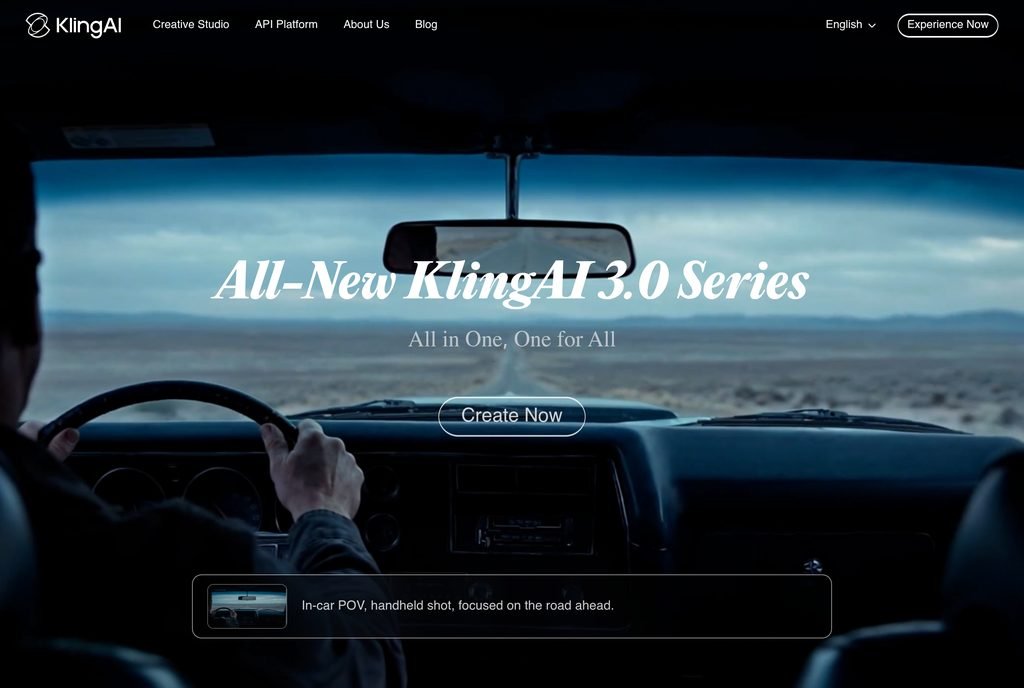
Wenn du das beste Preis-Leistungs-Verhältnis, lange Clips und einen großzügigen Gratisplan willst, ist Kling AI 2026 die klare Wahl (Einstiegsplan für 6,99 $/Monat). Aber wenn dir nativer synchronisierter Ton und die ChatGPT-Integration wichtig sind, ist Sora 2 ein sehr ernstzunehmender Konkurrent.
📖 Inhaltsverzeichnis
Kling führt unsere Top 10 der besten KI-Videogeneratoren 2026 an. Siehe auch Kling vs Runway, Kling vs Veo 3, Runway vs Sora. Für Text-zu-Video schau dir Fliki vs InVideo an.
Der Kontext: zwei aktive Tools im Jahr 2026
2026 dreht sich die KI-Videogenerierung für die breite Masse um mehrere sehr aktive Modelle. Kling AI, entwickelt von Kuaishou, hat sich als Preis-Leistungs-Referenz für unabhängige Creator etabliert. Parallel dazu ist Sora 2, das Videomodell von OpenAI, weiterhin aktiv und hat 2026 mit einer wichtigen Funktion geprägt: nativem synchronisiertem Ton, mit lippensynchronen Dialogen, Soundeffekten und Musik, die direkt zusammen mit dem Bild erzeugt werden.
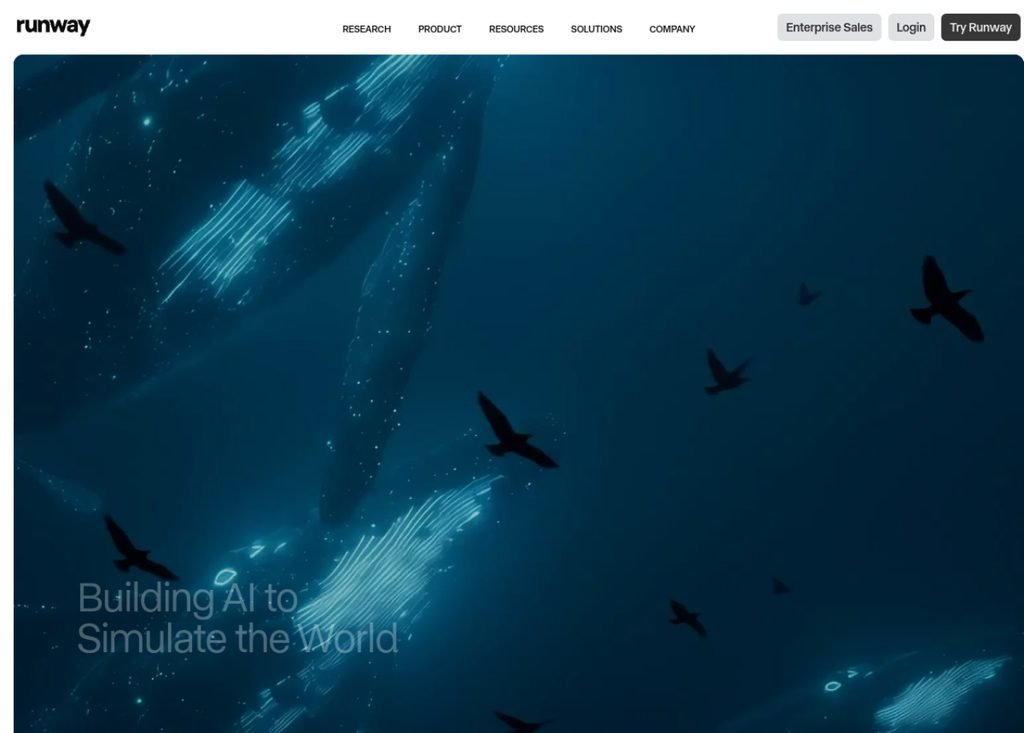
Daneben zielt Runway Gen-4.5 auf Profis und Google Veo 3.1 spricht Fans von nativem Ton an. Der Markt ist also umkämpft, und das Duell Kling vs Sora 2 stellt zwei verschiedene Philosophien gegeneinander: auf der einen Seite bezahlbare Vielseitigkeit und lange Clips, auf der anderen synchronisierter Ton und ChatGPT-Integration.
Die eigentliche Frage lautet also nicht mehr "welches hat überlebt", sondern welches zu deinem Anwendungsfall passt. Wie schneiden sie bei Qualität, Preis, Cliplänge und Realismus ab? Ein genauer Blick auf die offizielle Dokumentation, öffentliche Demos und Nutzerrückmeldungen liefert eine differenzierte Antwort: jedes hat seine Stärken, und Kling liegt bei mehreren Schlüsselpunkten für den unabhängigen Creator weiterhin vorn.
Videoqualität: Wer gewinnt wirklich?
Sora hat die Konkurrenz in offiziellen Demos lange in den Schatten gestellt. Videos von Frauen, die durch Tokio spazieren, Wollmammuts in der Arktis oder Unterwasserszenen sorgten in der Branche für einen Schock. Mit Sora 2 ging OpenAI einen Schritt weiter und fügte nativen synchronisierten Ton hinzu, was Dialogszenen weitaus immersiver macht.
Kling wiederum setzt auf gleichbleibende Qualität und sehr natürliche Physik. Laut Nutzerrückmeldungen liefert Kling oft schon bei den ersten Versuchen ein brauchbares Video, mit hoher Zuverlässigkeit bei Bewegung und Interaktionen. Wenn Kling Schwierigkeiten hat, dann eher bei ultrakomplexen Szenen (Menschenmengen, mehrere interagierende Figuren) als bei der Grundphysik.
Kurz gesagt: Sora 2 beeindruckt mit seinem kinoreifen Render und seinem synchronisierten Ton, Kling mit seiner Zuverlässigkeit und seiner Physik. Für einen Creator, der unter Zeitdruck in großer Menge produziert, bleibt Klings Konstanz ein großes Plus; für eine kurze Dialogszene mit eingebautem Ton hat Sora 2 eine Karte im Ärmel.
Preise: Kling, die Sora-App und ChatGPT
Das Preismodell unterscheidet sich deutlich. Sora 2 ist über die Sora-App zugänglich (kostenlos mit Limits), über ChatGPT Plus (20 $/Monat), und die Version Sora 2 Pro (natives 1080p) ist in ChatGPT Pro (100 $/Monat) enthalten. Es gibt außerdem API-Zugang (etwa 0,10 $/Sekunde bei 720p, 0,30 $ bis 0,70 $/Sekunde in Pro).
Kling bietet einen Einstiegsplan für 6,99 $/Monat (660 Credits ≈ 30-40 Videos/Monat je nach Dauer) und einen Pro-Plan für 46,99 $/Monat, dazu einen Gratisplan mit 66 Credits/Tag. Hier der Vergleich:
| Kriterium | Kling AI | Sora 2 (OpenAI) |
|---|---|---|
| Kostenlos | 66 Credits/Tag | Sora-App kostenlos (mit Limits) |
| Einstieg | 6,99 $/Monat | ChatGPT Plus 20 $/Monat |
| Pro | 46,99 $/Monat | Sora 2 Pro über ChatGPT Pro 100 $/Monat |
| Nativer synchronisierter Ton | Nein | Ja (Dialog, Soundeffekte, Musik) |
| Max. Clip | 3 Minuten | 25 Sekunden |
| Auflösung | 4K-Upscale | 720p (natives 1080p in Pro) |
Bei reinem Preis-Leistungs-Verhältnis und Produktionsvolumen behält Kling mit seinem Einstiegsplan für 6,99 $/Monat und dem täglichen Gratisplan die Nase vorn. Sora 2 wiederum sticht mit dem kostenlosen Zugang über die Sora-App hervor und vor allem mit seinem nativen Ton, einer Funktion, die Kling nicht bietet.
Cliplänge: 3 Minuten vs. 25 Sekunden
Sora 2 erzeugt bis zu 25 Sekunden pro Clip, was für manche Formate immer noch kurz ist. Für ein 1-minütiges YouTube-Video muss man mehrere Clips erzeugen und sie in der Postproduktion zusammenfügen. Kling geht deutlich weiter: 3 Minuten in einem Rutsch, mit schrittweiser Verlängerung des Clips auf Wunsch.
Konkret ermöglicht dir Kling:
- Ein komplettes YouTube-Intro (30-60 Sek.) in einem einzigen Video zu erzeugen
- Einen KI-Kurzfilm von 2-3 Minuten ohne sichtbare Schnitte zu erstellen
- Eine Meta-Anzeige von 15-30 Sek. ohne Postproduktion zu produzieren
- Ein Profilfoto 60 Sekunden lang für LinkedIn zu animieren
Bei langen Formaten geht der Vorteil klar an Kling. Sora 2 ist mit seinen 25 Sekunden für kurze, pointierte Sequenzen gemacht, bei denen sein synchronisierter Ton den Unterschied macht.
Physik und Realismus: Klings historische Stärke
Hier glänzt Kling wirklich. Kling AI wurde von Kuaishou entwickelt (dem chinesischen Pendant zu YouTube), das auf seiner Plattform Milliarden Stunden Kurzvideos angesammelt hat. Dieses riesige Trainingskorpus erlaubt es Kling, mit großer Detailtreue zu verstehen, wie sich Dinge in der realen Welt bewegen.
Bereiche, in denen Kling besonders stark ist:
- Wasser in Bewegung: Wellen, Regen, Springbrunnen mit natürlicher Physik dargestellt
- Haare und Stoffe: Kling meistert das Wehen im Wind gut
- Menschliche Bewegungen: Laufen, Springen, Tanzen, mit gut verankerten Körpern
- Objekt-Figur-Interaktionen: Trinken, Essen, Tragen, mit guter Mechanik
Für einen Creator, der realistische Videos mit langer Dauer will (Produktanzeigen, Nutzungsdemos, Alltagsszenarien), ist Kling eine ausgezeichnete Wahl. Sora 2 behält ein sehr kinoreifes Render und ergänzt synchronisierten Ton, was es bei kurzen Dialogszenen beeindruckend macht.
Was Sora 2 besser kann (ehrlich gesagt)
Um objektiv zu bleiben: Sora 2 hat echte Stärken, die Kling nicht erreicht:
- Nativer synchronisierter Ton: lippensynchrone Dialoge, Soundeffekte und Musik, die direkt mit dem Bild erzeugt werden. Das ist die große Stärke von Sora 2, und Kling hat kein natives Gegenstück.
- ChatGPT-Integration: ein Video direkt aus dem ChatGPT-Ökosystem (Plus oder Pro) zu erzeugen, bietet einen sehr flüssigen Workflow.
- Kinoreife Lichtsetzung: Sora-Szenen behalten eine polierte "Film"-Patina.
- Charakter-Cameos: Sora 2 erlaubt es, wiederkehrende Figuren (Cameos) in Szenen zu bringen.
- Kostenloser Zugang über die Sora-App: du kannst ohne Abo testen, innerhalb gewisser Limits.
Diese Stärken machen Sora 2 zu einer relevanten Wahl, besonders wenn synchronisierter Ton und ChatGPT-Integration in deinem Workflow Priorität haben.
Was Kling besser kann als Sora 2
Umgekehrt sind das die Bereiche, in denen Kling die Nase vorn behält:
- Cliplänge: bis zu 3 Minuten, gegenüber 25 Sekunden bei Sora 2. Ein entscheidender Unterschied bei langen Formaten.
- Preis-Leistungs-Verhältnis: Einstiegsplan für 6,99 $/Monat und Gratisplan mit 66 Credits/Tag.
- Bild-zu-Video: Kling verwandelt ein Standfoto mit atemberaubendem Realismus in ein animiertes Video.
- Präzise Kamerasteuerung: Kling akzeptiert Schlüsselwörter für Kamerabewegungen (zoom in, orbit left, dolly forward, pan right).
- Bearbeitung bestehender Clips: Kling erlaubt es, einen Clip zu verlängern, seinen Stil oder seinen Hintergrund zu ändern.
- Auflösung: 4K-Upscale, gegenüber 720p (natives 1080p in Pro) bei Sora 2.
FAQ - Kling oder Sora 2 im Jahr 2026
Ist Sora 2 im Jahr 2026 verfügbar?
Ja, Sora 2 ist 2026 sehr aktiv. Das Videomodell von OpenAI ist über die Sora-App zugänglich (kostenlos mit Limits), über ChatGPT Plus (20 $/Monat), und seine Version Sora 2 Pro ist in ChatGPT Pro (100 $/Monat) enthalten. Es bietet nativen synchronisierten Ton, Clips bis zu 25 Sekunden und natives 1080p in Pro.
Kling oder Sora 2: Was solltest du wählen?
Das hängt von deinem Anwendungsfall ab. Kling gewinnt beim Preis-Leistungs-Verhältnis, der Cliplänge (bis zu 3 Minuten), dem 4K-Upscale und Bild-zu-Video. Sora 2 glänzt bei nativem synchronisiertem Ton (Dialog, Soundeffekte, Musik) und der ChatGPT-Integration. Für Volumen und lange Formate Kling; für kurze Szenen mit eingebautem Ton Sora 2.
Wie viel kostet Kling im Vergleich zu Sora 2?
Kling bietet einen Gratisplan (66 Credits/Tag), einen Einstieg für 6,99 $/Monat und einen Pro für 46,99 $/Monat. Sora 2 ist über die kostenlose Sora-App (mit Limits), ChatGPT Plus für 20 $/Monat und Sora 2 Pro in ChatGPT Pro für 100 $/Monat zugänglich. Es gibt außerdem API-Zugang (etwa 0,10 $/s bei 720p, 0,30 $ bis 0,70 $/s in Pro).
Kann Kling alles, was Sora 2 kann?
Fast. Kling bewältigt Clips bis zu 3 Minuten (vs. 25 Sek. bei Sora 2), 4K-Upscale und Bild-zu-Video. Allerdings hat Kling keinen nativen synchronisierten Ton, eine Schlüsselfunktion von Sora 2. Die beiden Tools sind also je nach deinen Prioritäten komplementär.
Bewältigt Sora 2 wirklich Ton?
Ja. Das ist die große Neuerung von Sora 2: Der Ton wird nativ erzeugt und mit dem Bild synchronisiert, mit lippensynchronen Dialogen, Soundeffekten und Musik. Die Clips reichen bis zu 25 Sekunden, in 720p (Sora 2) oder nativem 1080p (Sora 2 Pro).
Ist Kling chinesisch? Gibt es ein Risiko?
Ja, Kling wird von Kuaishou entwickelt, einem chinesischen, in Hongkong börsennotierten Unternehmen. Für nicht sensible Daten (öffentliche kreative Inhalte) besteht kein besonderes Risiko. Für vertrauliche Unternehmensdaten bevorzuge Runway (US-Hosting) oder warte auf europäische Alternativen.
Endgültiges Fazit 2026
Das Duell Kling vs Sora 2 stellt zwei ausgezeichnete Tools gegeneinander, beide 2026 aktiv. Kling AI bleibt für die meisten unabhängigen Creator die beste Wahl dank seines unschlagbaren Preis-Leistungs-Verhältnisses, seiner Produktionszuverlässigkeit, seiner Clips bis zu 3 Minuten und seines 4K-Upscales. Es ist der vielseitige Allrounder, mit einem großzügigen Gratisplan.
Aber Sora 2 ist ein sehr ernstzunehmender Konkurrent: sein nativer synchronisierter Ton, sein kinoreifes Render, sein natives 1080p in Pro und seine ChatGPT-Integration machen es zu einer relevanten Wahl für kurze Dialogszenen und OpenAI-Workflows. Kurz gesagt: Kling für Volumen, lange Formate und Budget; Sora 2 für eingebauten Ton und das ChatGPT-Ökosystem.
Bereit, Kling AI zu testen?
Kling AI kostenlos: 66 Credits/Tag, Kinoqualität, Clips bis zu 3 Minuten. Keine Kreditkarte erforderlich.